Replace manual work, duplicate effort, and operational chaos with software that eliminates waste at the system level.


Trusted by









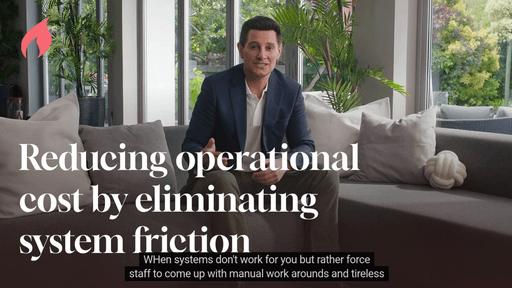
Reduce Operational Costs by Eliminating System Friction
Operational costs rarely rise because teams are careless or inefficient. They rise because systems fail to scale with the organization.
As businesses grow, manual work quietly spreads. Data must be reconciled between tools. Teams spend time fixing process gaps instead of improving outcomes. Decisions slow down because information arrives too late or cannot be trusted.
FireStitch designs custom software systems that reduce operational costs by removing redundancy, automating high-friction workflows, and restoring clarity across operations.
This page is not about cutting headcount or squeezing margins. It is about building systems that prevent inefficiency from becoming a permanent cost.
Why Operational Costs Rise as Organizations Scale
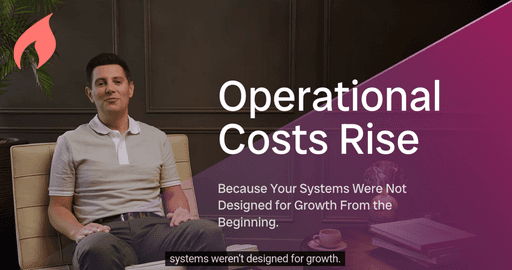
Most organizations do not notice rising operational costs immediately. The increase happens gradually, hidden inside everyday work.
Processes that once worked at small scale begin to break under volume. Teams compensate by adding manual steps, spreadsheets, approvals, and duplicated effort. Each workaround adds time, risk, and expense.
Disconnected systems amplify the problem. Data must be re-entered across platforms. Errors require rework. Reporting becomes reactive instead of actionable.
As complexity increases, leaders lose visibility into where time and money are actually being spent. Costs rise without a clear explanation, making them difficult to control or reverse.
Operational cost is rarely a budgeting issue. It is a systems design issue.
FireStitch reduces operational cost by redesigning how systems work together, not by layering more tools on top.
We begin by mapping workflows end to end. Every handoff, approval, data dependency, and delay is examined to understand where cost is created unnecessarily.
Systems are designed so data is entered once and reused everywhere it is needed. Integrations replace reconciliation. Automation replaces repetition.
Role-based access ensures teams see exactly what they need to act, reducing confusion and unnecessary communication loops.
Processes are made observable. Leaders can see where work slows down, where errors occur, and where effort is being wasted. This allows teams to fix problems before they become structural costs.
Reliability is prioritized. Systems are built to fail loudly and transparently, preventing silent inefficiencies that drain resources over time.
Common Sources of Hidden Operational Cost
Organizations struggling with operational efficiency often share the same underlying system problems.
Manual data entry and reconciliation consume time across teams. Information moves slowly between departments, increasing delays and mistakes.
Approval workflows rely on email, chat, or undocumented rules. Tasks stall without visibility into where they are blocked or why.
Reporting requires manual assembly. Leaders wait days or weeks to understand performance, forcing decisions to be made too late.
Automation exists, but it is fragmented. Tools are added to solve individual problems without considering the broader system, increasing maintenance and complexity.
These costs compound as volume grows. What feels manageable early becomes unsustainable at scale.
Cost-Reduction Solutions Designed as a Cohesive System
FireStitch services are applied by outcome, not as isolated implementations.
Operational Platforms
Custom web applications centralize workflows, approvals, and reporting, reducing manual coordination and duplicated effort.
Workflow Automation
Automation enforces process consistency, reduces delays, and eliminates repetitive manual work across teams.
Data Visibility and Control
Real-time dashboards surface inefficiencies early, allowing leaders to intervene before costs compound.
Systems Integration
Disconnected tools are integrated so data flows reliably without manual intervention.
When Organizations Typically Engage FireStitch to Reduce Costs
Organizations often engage FireStitch when:
1
Operational costs rise faster than revenue
2
Teams spend more time coordinating than executing
3
Manual processes dominate critical workflows
4
Leadership lacks clarity into where inefficiencies exist
5
Reporting is delayed, inconsistent, or unreliable
6
Automation efforts have increased complexity instead of reducing it
Are you experiencing any of these pain points?
Related Insights and Resources
Explore related content on how system design directly impacts operational efficiency:
1
Workflow automation strategy
2
Systems integration and architecture insights
3
Operational visibility and reporting content
4
UX design for complex internal tools
These resources provide deeper context for sustainable cost reduction.
Frequently Asked Questions
How can software reduce operational costs?
What processes are best to automate first?
Can you replace spreadsheets with a real system?
Can you integrate billing and invoicing systems?
How do you show ROI on automation?
Book FireStitch Office Hours
FireStitch Office Hours are free, one-on-one strategy sessions with FireStitch CEO Keith Seim and senior FireStitch strategists. These sessions are not sales calls. They are working conversations designed to help us understand your business, review your current systems, surface bottlenecks, and talk through realistic paths forward. The goal is simple: clarity. You’ll walk away with a better understanding of what’s holding you back, what’s possible next, and whether FireStitch is the right fit to help you get there no obligation either way.