Optimized routing and freight planning
Centralized shipment tracking
Real-time operations dashboards


Common Logistics Software Challenges
TMS, WMS, fleet telematics, and customer portals rarely match your exact lanes, SLAs, and operational workflows. When teams start relying on spreadsheets, emails, and phone calls to fill the gaps, it’s time for custom tools that reduce mistakes and keep freight moving.
Struggling to scale volume?
Shipments and lanes are growing, but your current systems can’t handle the throughput, exceptions, and manual steps.
Systems that don’t talk to each other?
Rates, loads, tracking data, and PODs are spread across multiple tools that don’t integrate cleanly.
Low visibility for customers?
Shippers and receivers lack real-time status, self-service tracking, and proactive notifications.
Common Problems with These Tools
Standard TMS, WMS, and routing tools solve part of the problem but often force your team into rigid workflows. Custom applications help you streamline planning, dispatch, and delivery around your real-world operations.
Struggling to scale output?
Adding new shippers, carriers, and lanes increases complexity faster than your systems can handle.
Tech integration challenges?
Connecting rating engines, EDI, carriers, GPS, and billing systems requires constant workarounds.
Launching new services?
When you add cross-docking, last-mile, or value-added services, your off-the-shelf tools can’t keep up.
Too many mistakes?
Missed scans, wrong data, and manual entries create costly delays, chargebacks, and unhappy customers.
Why Off‑the‑Shelf Software Fails Logistics Teams
One-Size-Fits-All Doesn't Fit
Generic tools can’t handle your specific routes, cut-off times, SLAs, consolidation rules, and carrier mix.
Data silos slow down freight
When orders, tracking, warehouse, and billing data live in separate systems, teams can’t respond quickly to issues.
Manual workarounds waste driver and dispatcher time
Dispatchers juggle spreadsheets, texts, and calls instead of managing exceptions in one place.
Scaling creates operational risk
Every new lane, customer, and carrier adds complexity that increases the chance of missed pickups and late deliveries.
Our Approach
Discovery
Through open, engaging discussions, we gain deep insight into your vision.
Understanding your unique business
Identifying industry challenges
Discussing the pain-points facing your company
Design
We ignite our imaginations to design a solution that’s tailored specifically to your needs.
Visualizing the solution
Laying out possibilities that align with your budget
Mockups and wireframes that bring your vision to life
Build
Once we have your approval, we embark on the journey of building your solution.
Turning your vision into reality
A linear approach with carefully planned steps
Constant optimizations
Support
Our partnership doesn’t end when your solution goes live. We’re here for the long haul.
Ongoing support & maintenance
Defined roadmap for future enhancements
Handling change requests

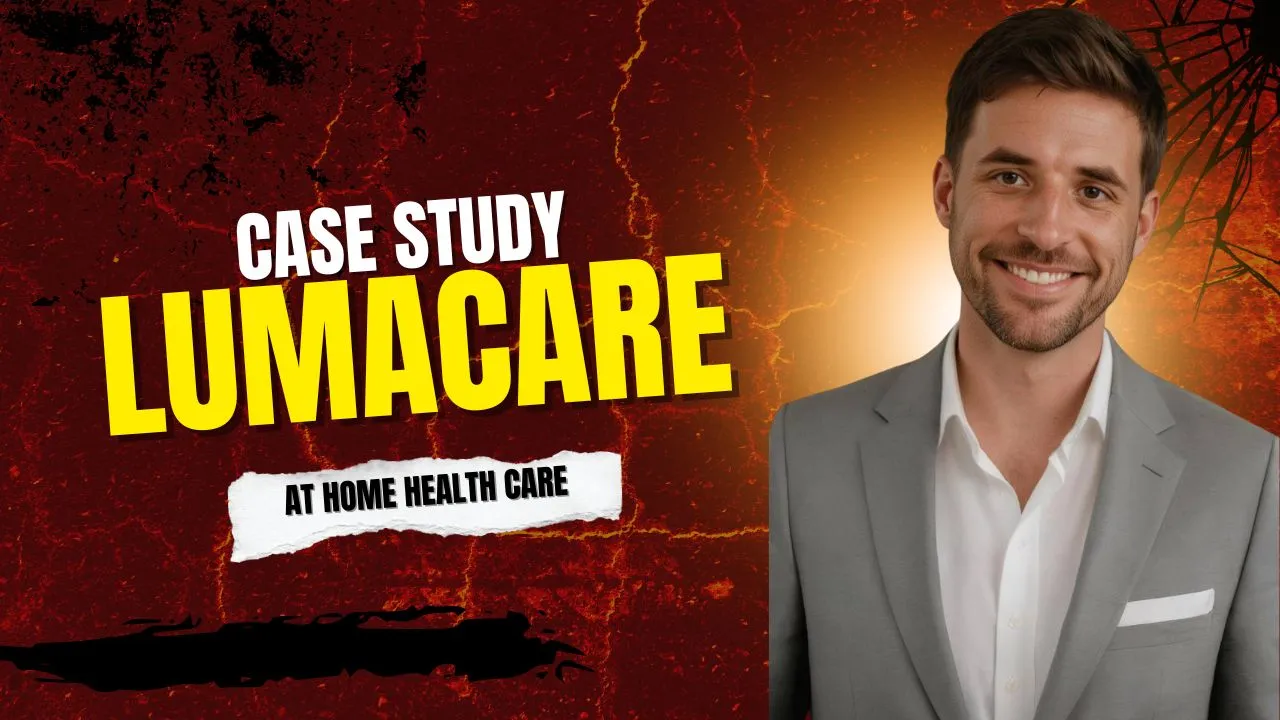
FireStitch Case Studies
Explore real projects and outcomes that show how our toolkit helps teams ship intuitive, industry-ready solutions faster and smarter.


Frequently Asked Questions
What is logistics software development?
Can you integrate carriers and tracking data?
Can you give teams real-time ops visibility?
Can you connect logistics ops with sales systems?
Can you reduce manual coordination and “status chasing”?
Book FireStitch Office Hours
FireStitch Office Hours are free, one-on-one strategy sessions with FireStitch CEO Keith Seim and senior FireStitch strategists. These sessions are not sales calls. They are working conversations designed to help us understand your business, review your current systems, surface bottlenecks, and talk through realistic paths forward. The goal is simple: clarity. You’ll walk away with a better understanding of what’s holding you back, what’s possible next, and whether FireStitch is the right fit to help you get there no obligation either way.