Better project tracking
Smart resource allocation
Fewer costly delays
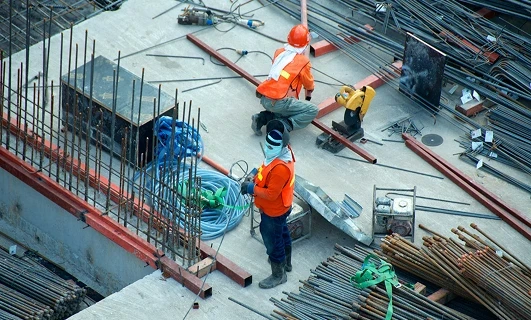


Why Generic Construction Software Often Breaks Down
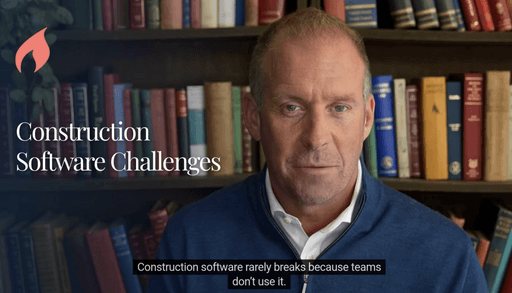
Generic construction software is often designed to address surface-level project management needs, but it struggles to support real-world operations over time. One-size-fits-all tools rarely align with how construction teams actually work across field and office environments.
Integration is a major weakness. Project management tools often fail to connect cleanly with accounting, payroll, and reporting systems. This forces teams to manually move data between platforms, increasing errors and reconciliation work.
Data inconsistencies become common as different teams rely on different systems or versions of information. Field updates may not match office records, and financial data lags behind operational reality. Leadership is left questioning which numbers are accurate.
To compensate, teams create workarounds. These temporary fixes add complexity, increase operational risk, and drive up costs. Over time, the system becomes harder to maintain and less trusted.
This is where organizations begin exploring custom construction software, construction systems integration, and construction workflow automation to regain control and build systems that support how their business actually operates.
Common Software in Construction
Construction teams often stitch together project management tools, accounting systems, spreadsheets, and messaging apps that were never designed to work together. When schedules slip, RFIs pile up, or crews wait on answers, it is a sign your software no longer fits the way you build.
Struggling to scale output?
You are winning more bids, but your current tools cannot handle the project volume, complexity, and documentation your clients now expect.
Tech integration challenges?
Your estimating, accounting, safety, and field apps do not talk to each other, forcing teams to re‑enter data and chase down missing information.
Productivity going down?
Superintendents, PMs, and foremen spend too much time on manual updates, phone calls, and paperwork instead of moving work forward on site.
Common Problems With Out‑of‑the‑Box Construction Tools
Out‑of‑the‑box project management or scheduling tools rarely reflect the realities of construction multiple stakeholders, changing site conditions, tight margins, and strict compliance. When every project needs exceptions and workarounds, your software starts slowing you down instead of supporting your teams.
Struggling to scale output?
Your project list is growing, but tracking commitments, submittals, and site issues across many jobs is overwhelming with your current tools.
Tech integration challenges?
Critical data hours, costs, materials, and progress sits in separate systems, making it difficult to get a clear picture of project health.
Launching new services?
You are expanding into new project types or regions and need workflows that can adapt to different contract models, regulations, and site processes.
Too many mistakes?
Missing information, outdated drawings, and manual data entry lead to costly change orders, rework, and disputes.
Why Off‑the‑Shelf Software Fails Construction Firms
One-Size-Fits-All Doesn't Fit
Generic tools cannot handle job‑specific workflows like RFIs, submittals, inspections, punch lists, and change management the way your teams actually work.
Data Silos Cost You Money
When scheduling, cost tracking, and field reporting are disconnected, you catch issues too late after overtime, delays, or margin erosion.”
Manual Workarounds Waste Time
PMs and coordinators patch gaps with spreadsheets, email threads, and text messages, which are hard to track and easy to lose.”
Scaling Creates Complexity
Every new project, subcontractor, and crew adds coordination overhead. Without tailored systems, complexity grows faster than your capacity to manage it.”
Construction Operations Are Inherently Complex

Construction operations involve constant coordination between the field and the office, often across multiple projects running simultaneously. Information flows between superintendents, project managers, accounting teams, and leadership, but rarely through a single, unified system.
Many construction organizations rely on manual reporting from the field. Updates are delayed, incomplete, or inconsistent, making it difficult to understand true job progress in real time. As a result, decisions are often made based on outdated information.
Construction technology systems frequently consist of disconnected tools adopted at different stages of growth. Scheduling, budgeting, reporting, and field data collection live in separate platforms that do not share a common source of truth. Teams compensate with spreadsheets, emails, and informal processes that increase risk and reduce accuracy.
Without reliable construction operations software and construction data platforms, leaders lose visibility into costs, timelines, and performance. These challenges are structural, not procedural, and they grow more severe as projects, teams, and locations scale.
FireStitch’s Approach to Construction Software Development
FireStitch approaches construction software development with a systems-first mindset. We focus on how work flows through the organization, not just how projects are tracked.
Construction workflows are shaped by real-world conditions. Field crews operate under time pressure, variable connectivity, and physical constraints. Office teams need accurate data for planning, billing, and reporting. Systems must support both environments without friction.
We design platforms around how teams actually work, including handoffs between field and office, approval processes, and reporting cycles. This prevents the disconnect that often occurs when software is designed in isolation.
Scalability is addressed early. Construction organizations grow by adding projects, teams, and locations, often simultaneously. Systems are architected to handle increased volume and complexity without requiring rework or replacement.
FireStitch does not build tool-centric solutions. We design scalable construction systems that integrate operational data, workflows, and visibility into a cohesive platform. The result is software that supports growth, improves reliability, and remains usable as the organization evolves.
Services Used
Tarion integration
Web Application
Scheduling
Document Management
iOS App
Billing
The construction systems we design and integrate are driven by operational needs rather than generic feature sets. Each system is built to reduce friction, improve accuracy, and support better decision-making.
Internal operational dashboards provide leadership with a clear view of project status, costs, and performance across multiple jobs. These dashboards consolidate data from field and office systems into a single, reliable view.
Field data collection and reporting tools enable crews to capture updates, progress, and issues directly from the job site. This reduces reporting delays and improves data accuracy.
Workflow automation connects teams by streamlining approvals, notifications, and handoffs. Automation reduces manual follow-ups and ensures work moves forward predictably.
Mobile applications for field crews support real-time access to schedules, tasks, and documentation. These tools are designed for usability in demanding environments, not office settings.
Integration between construction project management systems, accounting platforms, and reporting tools ensures data remains consistent across the organization. Construction workflow automation and integration eliminate duplicate entry and reduce reconciliation effort.
Real-Time Visibility and Data Accuracy in Construction
Timely information is critical in construction. Delayed or inaccurate data leads to missed issues, cost overruns, and reactive decision-making.
Real-Time Reporting Near the Worksite
FireStitch designs systems that reduce reporting delays by capturing information closer to where work happens. Real-time construction reporting allows leaders to identify risks early and respond before problems escalate.
Single Source of Truth for Construction Data
Data accuracy improves when systems share a single source of truth. By eliminating duplicate entry and fragmented workflows, construction data visibility increases across teams and roles.
Leadership Confidence Through Reliable Analytics
Reliable construction analytics platforms give leadership confidence in the numbers they see. Decisions are made based on current conditions rather than outdated reports.
From Historical Reporting to Proactive Management
This focus on visibility and accuracy differentiates systems that support proactive management from those that simply record history.
Designing Construction Systems for Field and Office Teams
Construction systems must support two very different user environments. Field teams need fast, simple tools that work under real-world conditions. Office teams require detail, accuracy, and reporting depth.
Mobile-first considerations are essential for field service software. Interfaces must remain usable with limited connectivity, varying lighting, and time constraints. Complexity that works in an office setting often fails in the field.


Office users rely on structured data and clear workflows to manage schedules, budgets, and compliance. Systems must translate field inputs into reliable operational insights.
Adoption is a common challenge in construction environments. FireStitch designs construction mobile applications and interfaces that reduce friction and align with existing workflows. Usability is treated as an operational requirement, not a design preference.
Scalable Construction Platforms That Grow With the Business

Construction organizations grow by taking on more projects, expanding teams, and operating across multiple locations. Systems must scale without becoming brittle or fragmented.
FireStitch builds scalable construction software that supports parallel projects and evolving workflows. Platforms are designed to adapt as complexity increases without requiring re-platforming.
New teams, tools, and processes can be introduced without disrupting existing operations. This supports long-term system evolution and reduces risk as the business grows.
Construction technology platforms should enable growth, not limit it. FireStitch designs systems that remain reliable, adaptable, and trusted over time.
FireStitch Case Studies
Explore real projects and outcomes that show how our toolkit helps teams ship intuitive, industry-ready solutions faster and smarter.

Frequently Asked Questions
What is construction management software development?
Can you build tools for field teams?
Can you integrate construction ops with CRM?
Can you reduce change order chaos and reporting delays?
Can you connect scheduling + communications?
Book FireStitch Office Hours
FireStitch Office Hours are free, one-on-one strategy sessions with FireStitch CEO Keith Seim and senior FireStitch strategists. These sessions are not sales calls. They are working conversations designed to help us understand your business, review your current systems, surface bottlenecks, and talk through realistic paths forward. The goal is simple: clarity. You’ll walk away with a better understanding of what’s holding you back, what’s possible next, and whether FireStitch is the right fit to help you get there no obligation either way.