Custom Web Applications
End-to-end full-stack web application development built on proven frameworks, low-risk architecture, and rapid time-to-market.


Are Your Current Systems Holding You Back?
Growing companies rarely fail because of a lack of ideas, they stall because their systems can’t keep up. If any of the following sound familiar, your technology may be actively limiting scale, visibility, or execution.
You Can’t Scale Output Without Adding Headcount
Your operations rely on manual workflows, disconnected tools, or fragile processes. As demand increases, productivity doesn’t scale, costs do.
You’re Launching New Services, But Your Systems Can’t Support Them
You’re trying to introduce new products, services, or revenue streams, but your existing tools weren’t designed for expansion. Technical limitations force compromises before launch.
Critical Data Is Scattered Across Too Many Tools
Operational, financial, and customer data live in separate systems. Teams lack a single source of truth, making reporting unreliable and decisions slower than they should be.
Your Team Is Relying on Workarounds to Get Work Done
Spreadsheets, duplicate data entry, and “temporary” fixes have become permanent. These workarounds introduce risk, slow onboarding, and make systems harder to maintain over time.
Your Systems Can’t Evolve as the Business Changes
Off-the-shelf tools force your team to adapt to rigid workflows. As processes change, systems fall behind, making iteration expensive and slow.
You’re Losing Visibility Into What’s Actually Happening
Leadership lacks real-time insight into operations. Reporting is delayed, metrics are inconsistent, and issues surface only after they become costly.
How FireStitch Builds Out Web Applications for Our Clients.
At FireStitch, we believe strong web applications are built on understanding before technology. Every business operates within a specific industry, and every industry has its own expectations, constraints, and user behaviors. That context directly influences how software should be designed, built, and experienced.
Industry Knowledge as a Core Input
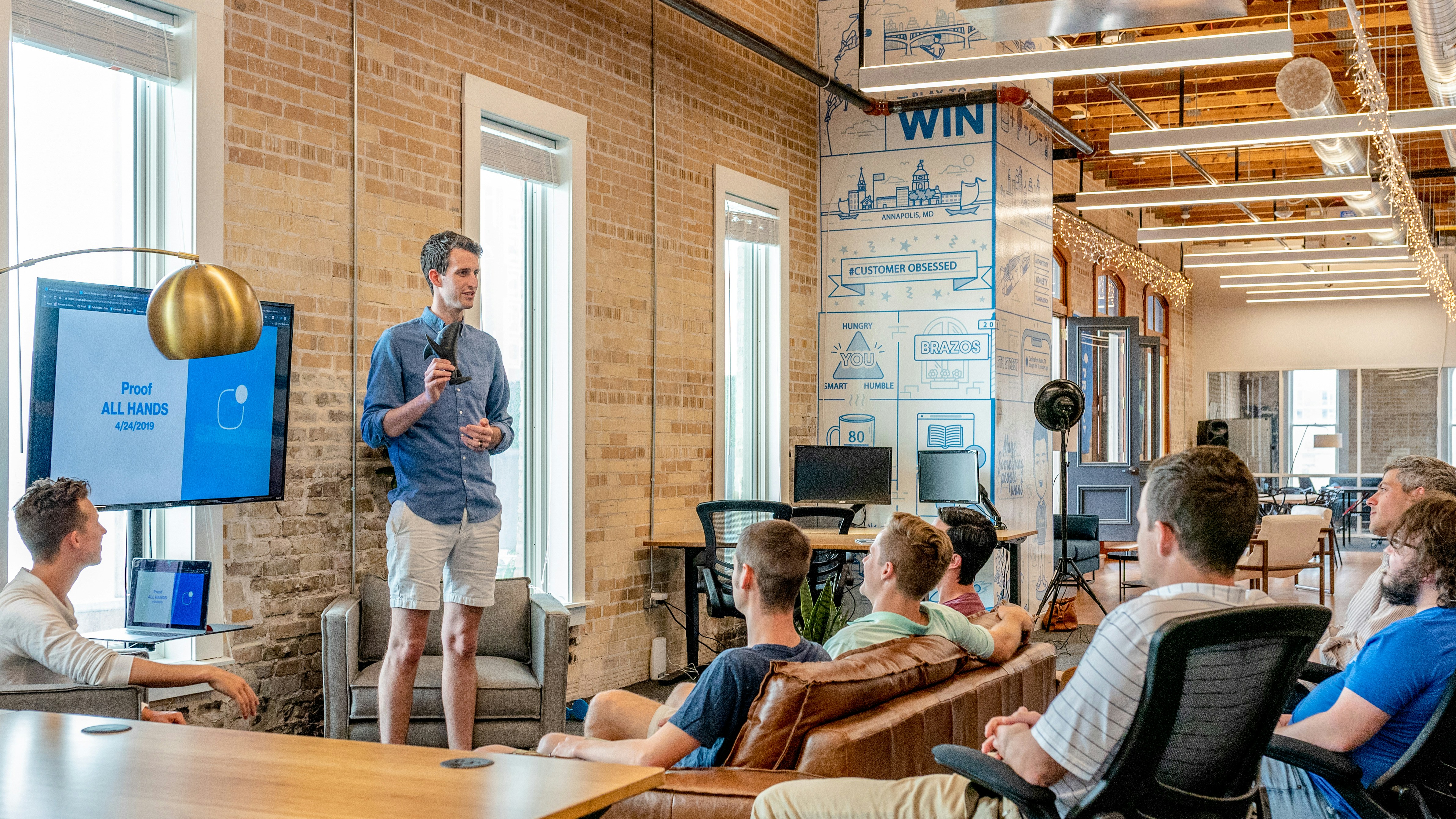
To Firestitch Industry knowledge is not optional in our process. It informs how we approach architecture, user experience, and execution from the very beginning. Before we define features or select tools, we work to understand how the business actually runs. That includes how revenue is generated, where operational friction exists, how teams make decisions, and which data truly matters day to day. Just as important, we look closely at the people who will use the system and how they expect to receive information.
Designing for High-Stakes Industries Like Healthcare
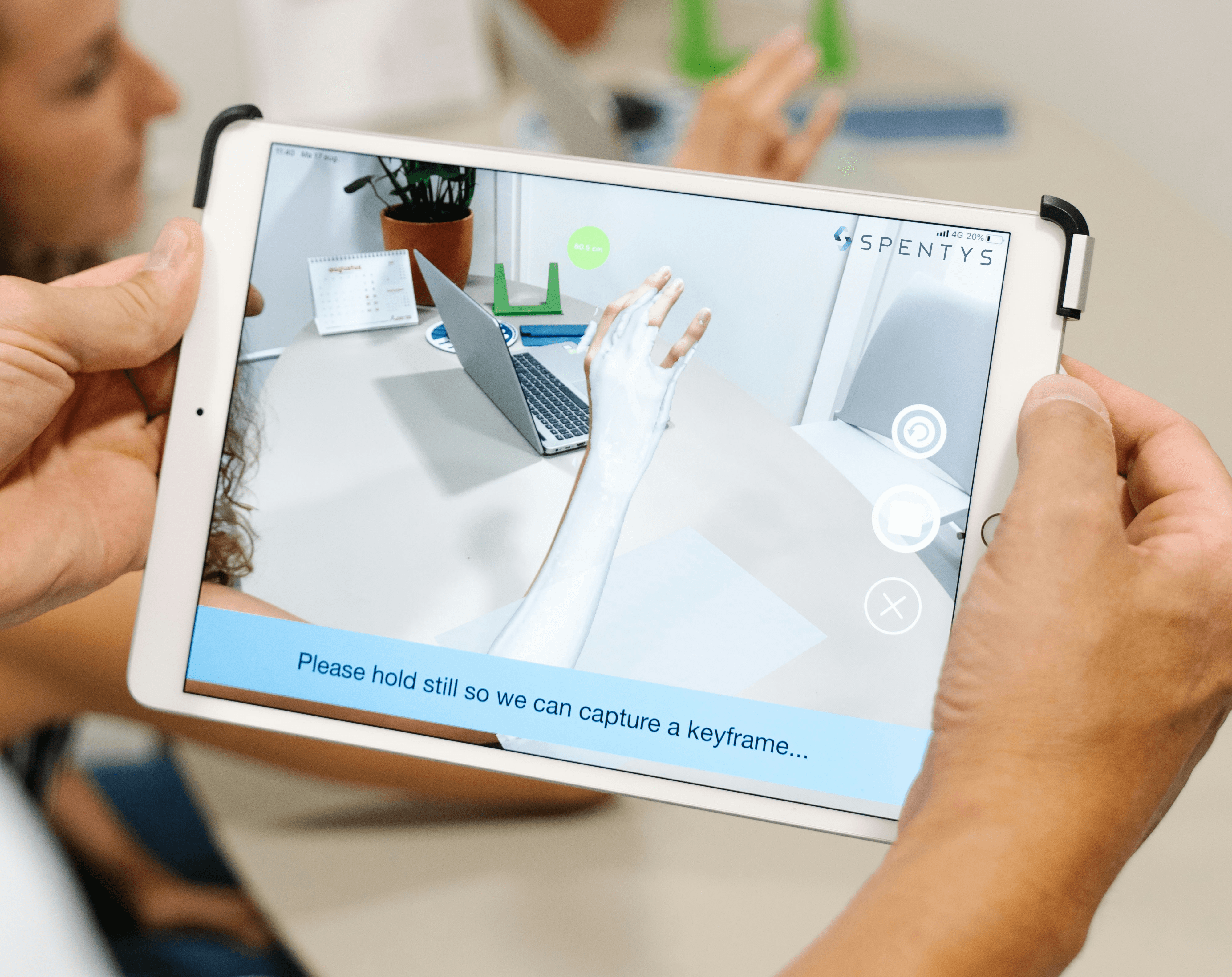
Different industries require fundamentally different communication approaches. A healthcare company interacts with patients in situations that often involve stress, uncertainty, and privacy concerns. In those environments, clarity, trust, accessibility, and compliance are critical. Information must be delivered thoughtfully, often in smaller steps, with language that is easy to understand and interfaces that reduce confusion. Performance, data accuracy, and security are not just technical requirements. They are essential to the user experience.

Adapting Experiences for Service-Driven Businesses
Now compare that to a construction or home services company. A homeowner planning a remodel is typically focused on timelines, cost transparency, visual outcomes, and confidence in the contractor. They want quick access to relevant information, clear next steps, and proof of capability. In this case, speed, visual presentation, and straightforward workflows often matter more than layered explanations or detailed disclosures.
Tailoring Features to Each Industry’s Users
These differences directly shape how we design and build applications. The same type of feature, such as an intake form, dashboard, or reporting tool, may exist in both industries. However, how information is presented, validated, and acted on is intentionally different. User flows, content structure, and interaction patterns are tailored to match the expectations and mindset of the end user.


Cross-Functional Teams Building Flexible Systems
From an execution standpoint, this means our strategy, design, and engineering teams work closely together. We build systems that support real operational needs while remaining flexible enough to scale and evolve. We account for integrations, data visibility, and future growth without sacrificing usability in the present.
Software That Feels Native to the Business
The result is software that feels natural to use and aligned with the business it supports. It communicates clearly, enables better decisions, and adapts as the organization grows. That alignment between industry knowledge, user behavior, and technical execution is what allows FireStitch to build web applications that deliver lasting, measurable value.

Custom Web Application Development for Scalable Systems
Marketplace Management:
Boost your marketplace with advanced market-making capabilities and streamline your job workflow
Custom Pricing:
Personalize your pricing, quoting, and sales processes effortlessly with user-friendly tools.
Efficient Control:
Take charge of suppliers, staff, and clients with ease using integrated systems.
Client-Centric Solutions:
Improve client interactions, streamline orders, and provide essential tools through an intuitive dashboard.
Simplified Scheduling:
Say goodbye to scheduling headaches. We make internal, external, and travel logistics easy.
Beyond E-commerce:
We excel in integrating third-party services and automating invoices and payments.


Effortless Documents:
Simplify document management with easy-to-use tools, templates, and automation.
Centralized Hub:
Connect all your departments through user-friendly dashboards to turn data into actionable insights.
Smooth Workflow:
Manage tasks, processes, and workflows across departments effortlessly.
Regulatory Compliance:
Meet regulatory requirements seamlessly with visibility and reporting tools.
When Mobile Apps Become a Strategic Requirement
Scalability is not something we treat as an afterthought. At FireStitch, scalability is a design principle that shapes architectural decisions from the very beginning. How a system is structured early on determines whether it can grow smoothly or becomes a bottleneck as usage, data, and complexity increase.
One of the first decisions we make is how modular the system should be. Some applications benefit from a tightly integrated structure early on, while others require modular components that can evolve independently. We assess current needs alongside future growth to determine the right balance, avoiding unnecessary complexity while leaving room to scale without rewrites.
We design with an API-first mindset whenever possible. This allows systems to integrate cleanly with other tools, support multiple front ends, and adapt as new use cases emerge. APIs create flexibility and reduce friction when businesses expand, add products, or connect new platforms.
Data modeling is another critical area where early decisions matter. We design data structures to support growth, reporting, and change over time. This means thinking beyond today’s requirements to account for higher volumes, new relationships, and evolving business logic.
Security and access control are built into the foundation. As teams grow and roles change, systems must support granular permissions without compromising usability. We design access models that protect sensitive data while remaining practical for real operations.
Performance is considered at every layer. We account for load, concurrency, and reliability so systems remain responsive as usage increases. These decisions align closely with Our Approach, where architecture is driven by business goals, not assumptions.
The result is software designed to grow with the organization, not hold it back.
FireStitch Case Studies
Explore real projects and outcomes that show how our toolkit helps teams ship intuitive, industry-ready solutions faster and smarter.
Frequently Asked Questions
What is custom web application development?
What types of custom web apps do you build?
Can custom web apps integrate with existing tools?
How do you handle authentication, roles, and permissions?
How long does a custom web app take to build?
Is a custom web app better than buying SaaS?
How do you handle future scalability?
Book FireStitch Office Hours
FireStitch Office Hours are free, one-on-one strategy sessions with FireStitch CEO Keith Seim and senior FireStitch strategists. These sessions are not sales calls. They are working conversations designed to help us understand your business, review your current systems, surface bottlenecks, and talk through realistic paths forward. The goal is simple: clarity. You’ll walk away with a better understanding of what’s holding you back, what’s possible next, and whether FireStitch is the right fit to help you get there no obligation either way.